San Diego Ironworks Journal
The Complete Guide to Iron Fence Installation in San Diego – What to Expect
Published September 25, 2026
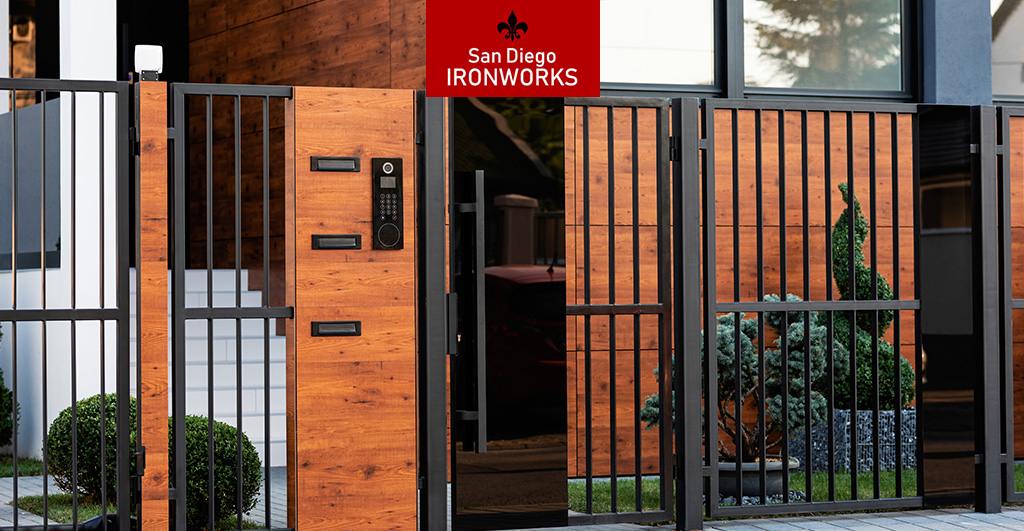
A custom iron fence installation should feel organized from the first conversation through the final walkthrough. Each property has different grades, openings, architectural details, and security goals, so the process is more than selecting a style from a catalog. Understanding the major steps helps homeowners, contractors, and property managers make decisions with confidence.
Step 1: Define the purpose of the fence
Start by identifying what the fence needs to accomplish. Common goals include defining a property line, improving curb appeal, controlling pedestrian access, creating a pool or garden enclosure, adding privacy, or increasing security around a commercial property. A fence can serve more than one purpose, but the priorities should be clear before the design is finalized.
It is helpful to gather photos of the property, approximate dimensions, inspiration images, and any information about existing walls, gates, landscaping, or access requirements.
Step 2: Measure the site and review conditions
Accurate measurements determine the number of sections, post locations, gate clearances, and how the fence meets corners or structures. A site review should also look at grade changes, drainage, retaining walls, utilities, irrigation, tree roots, and the path for bringing materials into the property.
For a driveway or pool project, the review should include vehicle movement, latch and hinge locations, self-closing requirements where applicable, and the relationship between the fence and other safety features. Local approval or permit requirements can vary, so confirm what applies to the property before work begins.
Step 3: Develop the design
The design typically establishes height, picket or panel spacing, post proportions, decorative details, gate placement, and finish color. The fence should complement the architecture and not overwhelm the entry. A simple pattern can look highly refined when the spacing and proportions are consistent.
This is also the stage to decide whether the project includes a pedestrian gate, driveway gate, automatic operator, security bars, handrails, or other related ironwork. Coordinating those elements early prevents mismatched materials and finishes.
Step 4: Fabricate and prepare the metal
Once the design is approved, the sections, posts, frames, and gate components are fabricated to the project dimensions. Quality fabrication includes careful alignment, clean welds, accurate hardware locations, and preparation for the selected finish. Custom work takes time because each piece is made for the site rather than pulled from a standard-size shelf.
Step 5: Finish for the property
The finish affects both appearance and long-term care. Coastal areas may need special attention to surface preparation and protective coating, while inland sites still benefit from a finish suited to sun and seasonal weather. Ask what cleaning and touch-up practices are recommended for the selected coating.
Step 6: Install, adjust, and review
Installation includes setting posts or attaching to approved structures, aligning sections, hanging gates, checking clearances, and making final hardware adjustments. The completed fence should open and close smoothly, meet the surrounding surfaces cleanly, and look consistent from the street and from inside the property.
Project timing depends on the size, design complexity, site access, finish, and any permit or masonry coordination. A professional quote should explain the scope, assumptions, and what is included in installation.
San Diego Ironworks provides custom iron fence design and installation throughout San Diego County. Request a quote to discuss the property, desired style, and the results you want from your new fence.
Ready to improve your property?
Let's plan your custom ironwork project.
Tell us what you are planning, where the project is located, and what you want the finished work to accomplish. Our team can help you explore the right design, materials, and installation approach.